Computed Tomography
Posted on December 15, 2025
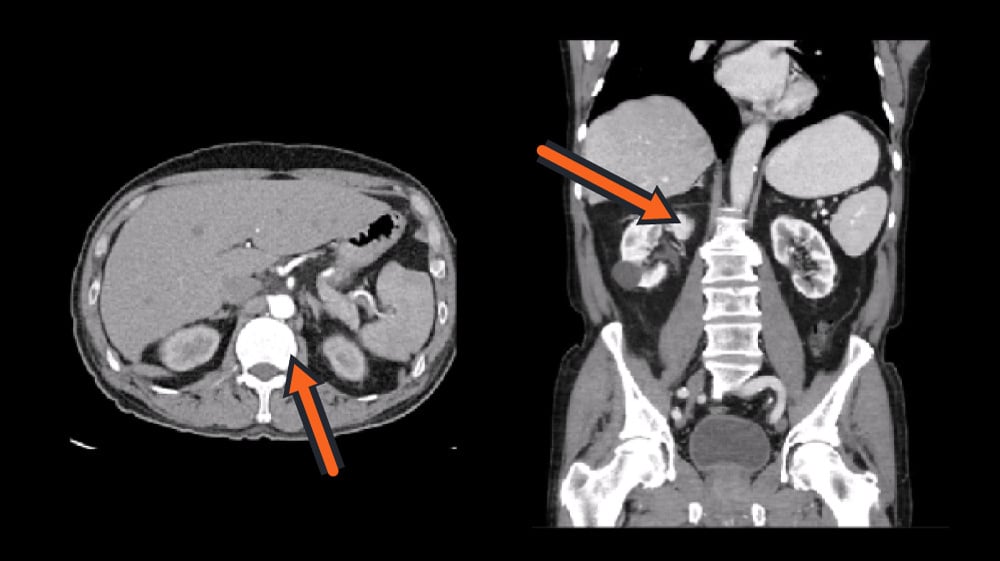
Clover Learning’s new CT Anatomy & Pathology courses deliver expanded coverage of CT cross-sectional anatomy and pathology. Explore more lessons, refined visuals, and targeted learning to strengthen understanding and confidence.
A Better Way to Learn CT Anatomy and Pathology
At Clover Learning, we’re always working to improve how imaging professionals learn, teach, and grow. That’s why we’re excited to share that our new CT Anatomy & Pathology courses are now live: CT Anatomy & Pathology: Brain, Neck and Spine and CT Anatomy & Pathology: Chest, Abdomen, Pelvis and Extremities.
Developed specifically for CT learners and educators, these courses provide a more comprehensive, CT-focused approach to cross-sectional anatomy and pathology. Each course was designed to help learners not just memorize structures, but develop the confidence to recognize normal anatomy and pathology on CT scans — a skill that’s essential for clinical practice and registry success.
| 📢 The original Cross-Sectional Anatomy & Pathology course retired on December 31, 2025. If you completed the course before it retired, your earned credits remain valid and can be used as normal. All original material is still available within the expanded, modality-specific courses. |
Why We Developed New CT-Specific Courses
Our earlier Cross-sectional Anatomy and Pathology course combined both CT and MRI topics and images. While it provided a valuable foundation, we recognized that CT students and professionals needed a more modality-specific and detailed resource — one that mirrors the way CT technologists think, learn, and apply their knowledge in practice.
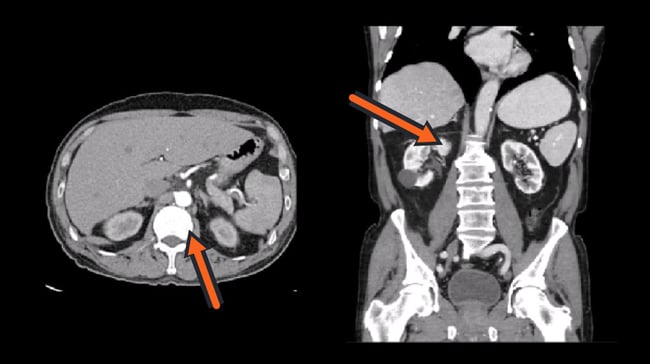 A still from the video lesson 'CT Pharynx, Larynx and Trachea' demonstrating the clear format used to help students orient themselves and identify key anatomic structures when reviewing CT scans.
Working alongside subject matter experts Tad Morris, M.S.Phys., RT(R)(CT) of Cox College, and Colleen Cardilla, M.H.A., RT(R)(CT) of Bucks County Community College, our team built two new courses that reflect how CT anatomy and pathology are taught and performed in clinical settings.
The result is a clearer, more structured learning experience that deepens understanding, reinforces clinical reasoning, and supports better outcomes for both learners and instructors.
Expanded Content and Depth of Coverage
The new CT Anatomy & Pathology courses provide significantly broader and deeper coverage than the original course.

Each lesson is designed to build practical knowledge — helping learners move from simply identifying structures to understanding how anatomy relates to clinical presentation and imaging interpretation.
Course Breakdown
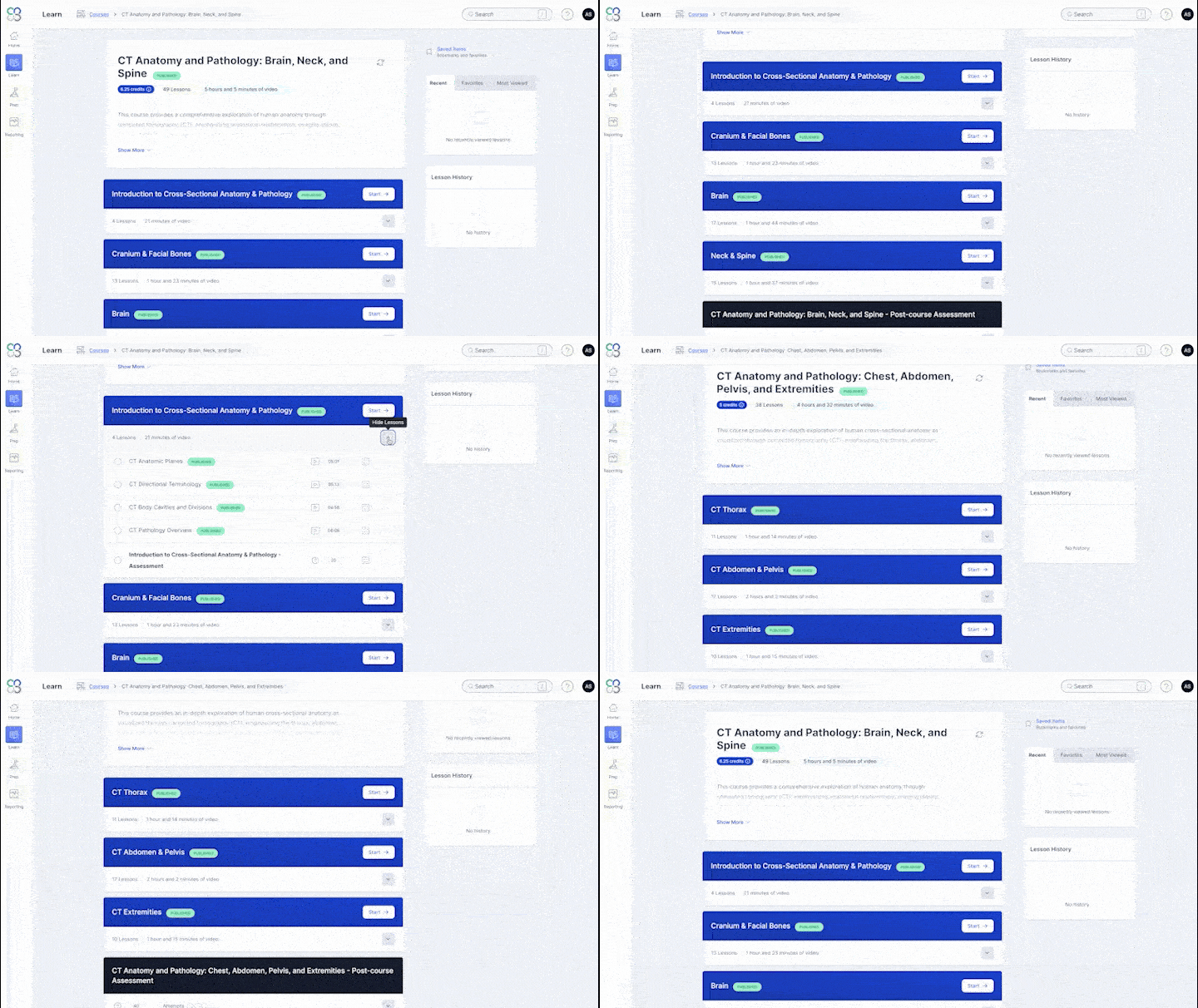
Both courses are divided into focused modules that align with the ARRT® CT exam content outline and real-world imaging workflows. Each module includes guided video lessons showcasing examples from real patients, and assessment tools to reinforce key takeaways and boost confidence.
Created by Experts for Better Learning Outcomes
Every lesson and assessment was developed and reviewed through a multi-step quality process led by our internal content team and external experts. This collaboration ensures that every lesson reflects accurate imaging practice, sound pedagogy, and up-to-date terminology — helping learners bridge the gap between classroom concepts and clinical application.
The improvements in these courses go beyond just more content — they’re designed to have a measurable impact on learner success.
-
More visual examples means more practice for learners identifying anatomy and pathology.
-
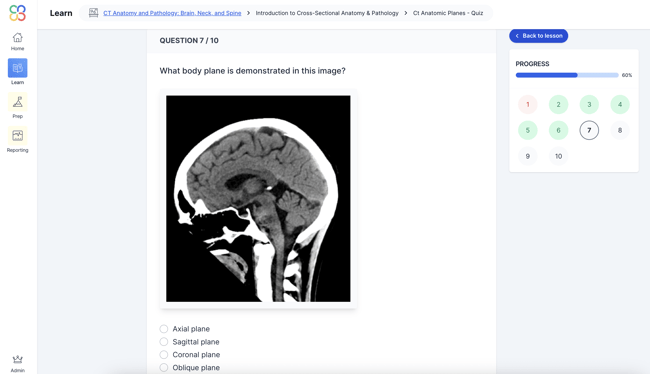
Targeted quizzes help reinforce learning and identify areas for improvement.
-
Modular organization allows instructors to integrate lessons into existing curricula with flexibility.
-
Clearer visuals and structured narration help learners connect what they see on scans to what they’ll encounter in clinical settings.
Together, these changes foster deeper understanding and greater confidence — key outcomes for learners preparing for the ARRT® CT registry exam and technologists pursuing continuing education.
For Learners and Educators Alike
The CT Anatomy & Pathology courses are available in both our Cross-trainer and Professional plans, serving a range of users:
-
Licensed Radiologic Technologists preparing for CT certification
-
CT Technologists earning CE credits for license renewal
-
Students enrolled in academic CT programs
-
Educators and program directors integrating the content into classroom or clinical training
These updates provide students and educators with a refreshed, CT-specific curriculum that aligns with current standards — offering a more focused way to strengthen learning outcomes.
Moving Forward with Confidence
These new courses reflect our ongoing commitment to supporting CT professionals with the most relevant, accurate, and engaging learning experiences available. By expanding topic coverage and enhancing the quality of instruction, we’re helping learners build stronger clinical understanding and confidence — skills that translate directly into better patient care and professional success.
Explore CT Anatomy & Pathology: Brain, Neck and Spine and CT Anatomy & Pathology: Chest, Abdomen, Pelvis and Extremities on Clover Learning today and experience how improved structure, depth, and clarity can make all the difference in mastering CT cross-sectional anatomy and pathology.
| ⚠️ The original Cross-Sectional Anatomy & Pathology course retired on December 31, 2025. If you completed the original course before it retired, your earned credits remain valid and can be used as normal. |

Jessica Silverman - Director of Content Strategy
Dr. Jessica Silverman has been an educator for over 14 years and specializes in helping students create a personal connection with STEM. Her experience teaching across K12, higher ed, and graduate settings gives her a holistic understanding of the skills and supports learners need to be successful at different levels. As Clover Learning's Director of Content Strategy, she also brings deep experience in developing online science learning experiences, having helped create foundational content and launch STEM education platforms with Harvard University and multiple start-ups.